Top Diesel Repair Tips for New England Customers
Maintaining a diesel vehicle can be a daunting task, especially for those new to the world of diesel engines. Whether you rely on your truck for work or personal use, understanding how to care for it can save you time and money in the long run. In New England, where the weather can be harsh and the roads challenging, having a reliable diesel vehicle is essential. This blog post will provide you with practical tips to keep your diesel engine running smoothly, ensuring you can tackle any journey with confidence.

Understanding Your Diesel Engine
Before diving into repair tips, it's crucial to understand the basics of how a diesel engine operates. Diesel engines work by compressing air to a high temperature, then injecting fuel into the combustion chamber. This process creates a more efficient burn compared to gasoline engines, resulting in better fuel economy and torque.
Key Components of a Diesel Engine
Fuel System: This includes the fuel tank, fuel pump, and injectors. Keeping this system clean is vital for optimal performance.
Air Intake System: This system brings in air for combustion. A clean air filter is essential for maintaining engine efficiency.
Exhaust System: This system removes exhaust gases. Regular checks can prevent blockages and ensure proper emissions.
Cooling System: Diesel engines generate a lot of heat. A well-maintained cooling system prevents overheating.
Lubrication System: This system reduces friction between moving parts. Regular oil changes are crucial.
Regular Maintenance is Key
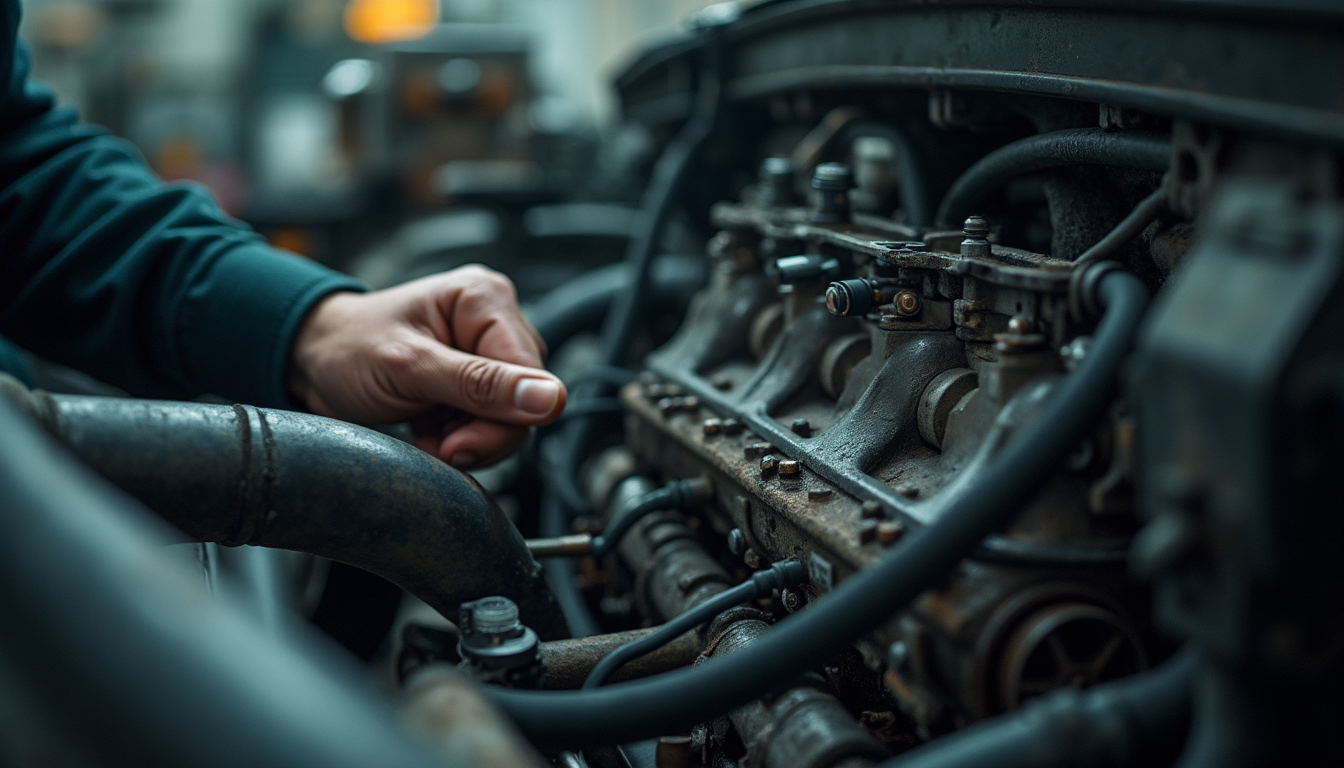
One of the best ways to avoid costly repairs is through regular maintenance. Here are some essential maintenance tips for diesel engines:
Change the Oil Regularly
Oil is the lifeblood of your engine. For diesel engines, it's recommended to change the oil every 5,000 to 7,500 miles, depending on your driving conditions. Using high-quality diesel oil can enhance engine performance and longevity.
Replace Fuel Filters
Fuel filters should be replaced every 10,000 to 15,000 miles. Clogged filters can lead to poor engine performance and increased fuel consumption. Always use OEM (Original Equipment Manufacturer) filters for the best results.
Inspect the Air Filter
A clean air filter is crucial for optimal engine performance. Check your air filter every 15,000 miles and replace it if it's dirty. This simple step can improve fuel efficiency and engine power.
Monitor Coolant Levels
Regularly check your coolant levels and ensure there are no leaks in the cooling system. Overheating can cause severe damage to your engine, so it's essential to keep the system in good condition.
Check the Battery
Cold New England winters can be tough on batteries. Ensure your battery is in good condition and replace it every 3-5 years. Clean any corrosion from the terminals to maintain a strong connection.
Troubleshooting Common Diesel Engine Issues
Even with regular maintenance, issues can arise. Here are some common problems and how to troubleshoot them:
Hard Starting
If your diesel engine is hard to start, it could be due to several factors:
Glow Plugs: Check if the glow plugs are functioning correctly. These are essential for starting a cold engine.
Fuel Issues: Ensure you have enough fuel and that it's clean. Contaminated fuel can cause starting problems.
Battery Health: A weak battery can lead to hard starts. Test the battery and replace it if necessary.
Poor Fuel Economy
If you notice a drop in fuel efficiency, consider the following:
Tire Pressure: Under-inflated tires can reduce fuel economy. Check your tire pressure regularly.
Air Filter: A clogged air filter can restrict airflow, leading to poor fuel economy. Replace it if necessary.
Driving Habits: Aggressive driving can lead to increased fuel consumption. Adopt smoother driving habits for better efficiency.
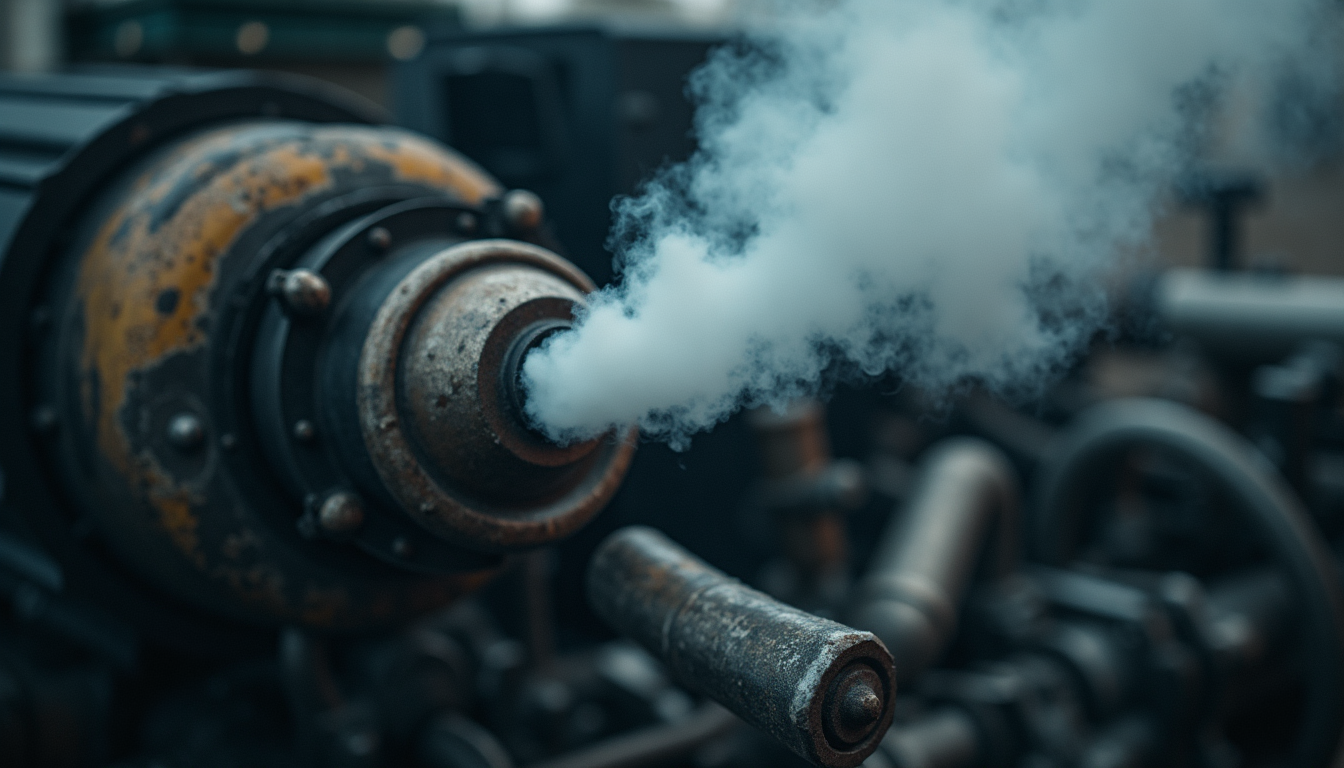
Excessive Smoke
If your diesel engine is emitting excessive smoke, it could indicate a problem:
Black Smoke: This often indicates too much fuel is being burned. Check the fuel injectors for clogs or malfunctions.
Blue Smoke: This can indicate oil is being burned in the combustion chamber. Check for oil leaks or worn piston rings.
White Smoke: This usually means unburned fuel is being expelled. Check the glow plugs and fuel system.
Seasonal Considerations for Diesel Maintenance
New England's weather can be unpredictable, and it's essential to prepare your diesel vehicle for seasonal changes. Here are some tips for each season:
Winter Preparation
Use Winter Diesel: In colder months, switch to winter diesel fuel to prevent gelling.
Check Antifreeze Levels: Ensure your antifreeze is at the correct level to prevent freezing.
Battery Maintenance: Cold weather can drain batteries quickly. Keep your battery charged and consider a battery warmer.
Summer Preparation
Cooling System Check: Ensure your cooling system is functioning correctly to prevent overheating during hot months.
Air Conditioning Service: Check your AC system to ensure it’s working efficiently for those hot summer days.
Finding a Reliable Diesel Repair Shop
When it comes to diesel repairs, finding a trustworthy mechanic is crucial. Here are some tips for selecting the right repair shop:
Look for Specialization
Choose a shop that specializes in diesel engines. They will have the necessary tools and expertise to handle your vehicle's specific needs.
Read Reviews
Check online reviews and ask for recommendations from friends or family. A shop with a good reputation is more likely to provide quality service.
Ask About Warranties
Inquire about warranties on repairs and parts. A reputable shop should stand behind their work.
Conclusion
Maintaining a diesel engine requires diligence and knowledge, but the rewards are worth it. By following these tips, you can ensure your diesel vehicle remains reliable and efficient, even in the challenging New England climate. Regular maintenance, troubleshooting common issues, and preparing for seasonal changes will keep your engine running smoothly. Remember, when in doubt, consult a professional to ensure your diesel engine gets the care it deserves.
Taking these steps will not only extend the life of your vehicle but also enhance your driving experience. So, gear up, stay informed, and enjoy the journey ahead!
Comments